
Sod Installation & New Lawns
A lawn fails underneath long before it fails on top. Most of the ones we replace were laid straight onto whatever was already there — compacted builder fill, old base rock, or clay that sheds water instead of taking it. We strip that out, pull the old root mat and debris, and rip and amend the top layer so roots have somewhere to go. Then we set the grade: falling away from the house and the slab edges, and level enough that a mower does not scalp the high spots.
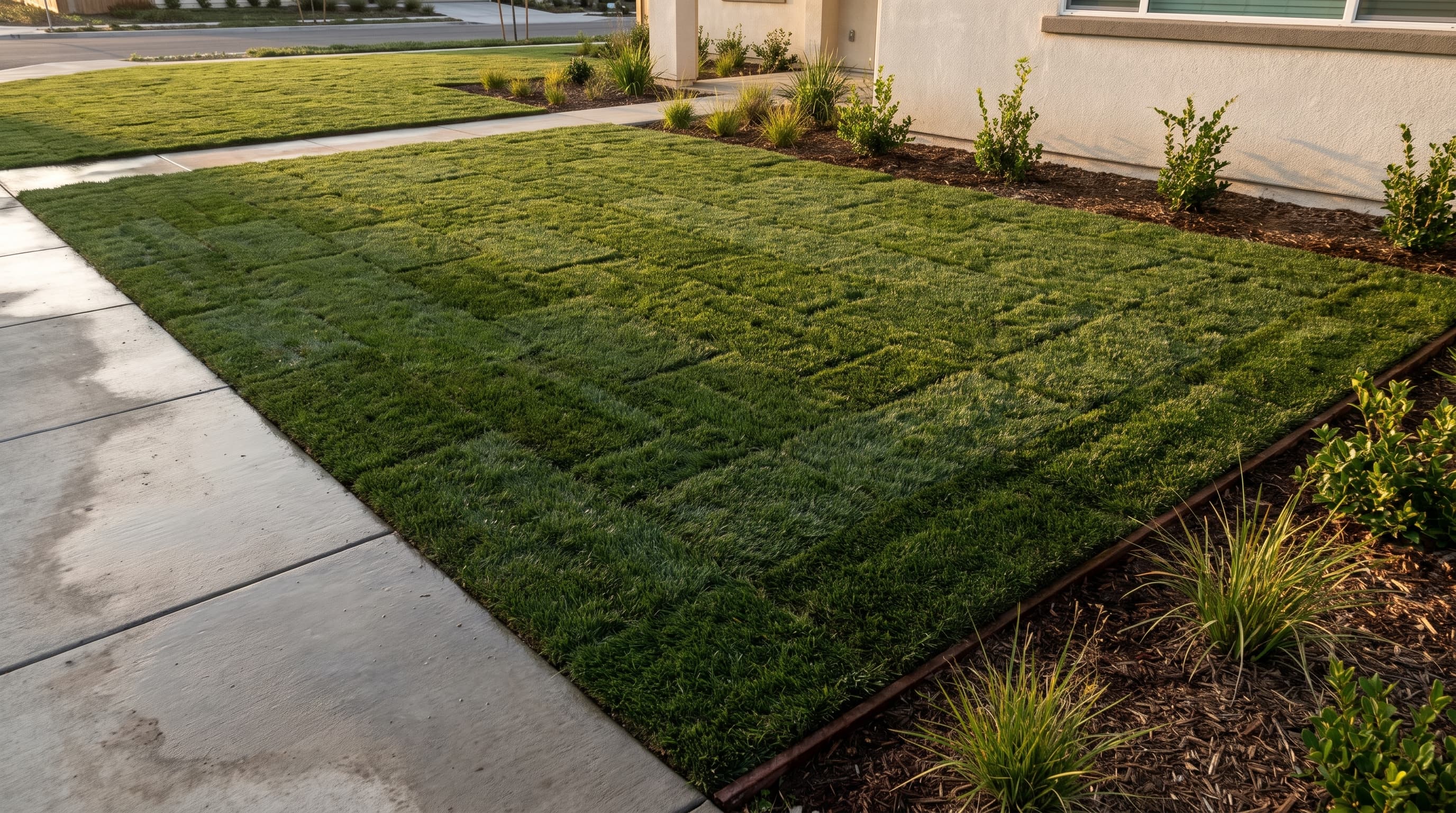
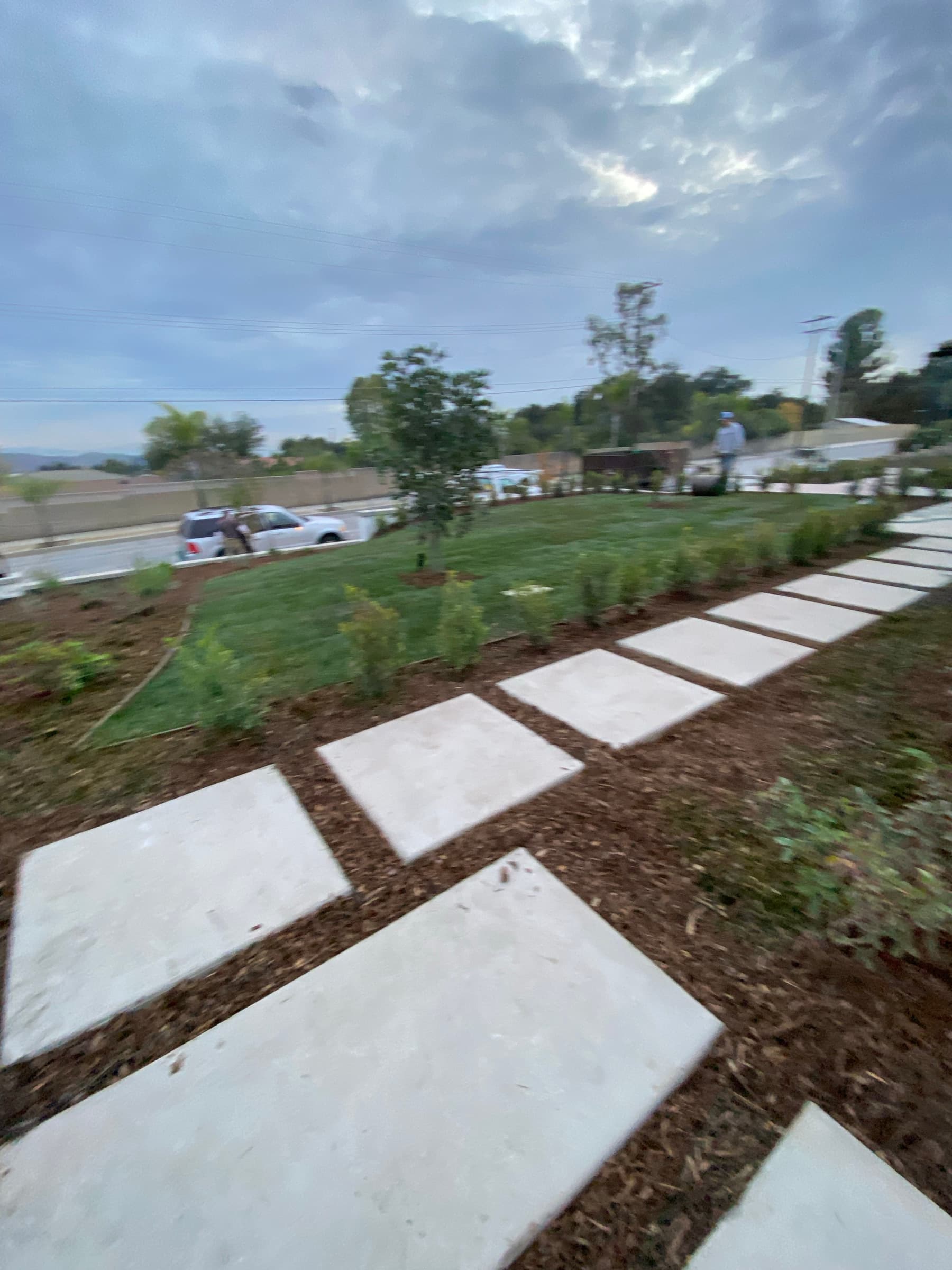
Sod goes down on moist, freshly raked soil, laid tight and staggered so the seams knit instead of drying open. We roll it to press the roots into contact with the soil, because a piece of sod sitting on an air pocket is already a dead piece of sod. Edges get cut in clean against concrete, pavers, and beds, so you have a straight line to mow to instead of grass creeping over the hardscape by August.
Which grass you get matters here. Warm-season varieties take the heat and go off-colour in winter; cool-season stays greener and drinks considerably more. We talk through sun, foot traffic, pets, and how much water you actually want to put into it before anything is ordered. Irrigation goes in and gets pressure-tested before the sod is delivered, because sod sitting on a pallet in the sun is losing every hour it waits.
What’s included
- Old lawn, root mat, and debris removed and hauled off
- Top layer ripped and amended so roots have something to grow into
- Grade set to fall away from the house, slabs, and foundations
- Irrigation installed and pressure-tested before sod is ordered
- Sod laid tight and staggered on moist soil, then rolled in
- Edges cut clean against concrete, pavers, and planting beds
- Starter fertiliser and a first-season watering schedule you can follow
- Variety chosen for your sun, traffic, and water tolerance
Common questions
How long before we can walk on it?
Stay off it for about two weeks while the roots take. Light foot traffic after that, and treat it as a normal lawn once a tugged corner no longer lifts. Dogs are the ones to watch — one running the same line every day will wear a path through new sod long before it would through an established lawn.
Sod or seed?
Sod, in almost every yard we work in. Seed costs less up front but needs weeks of constant moisture, which is a hard ask in this climate, and it hands weeds an open field while it establishes. Sod is a finished lawn the day it goes down.
How much water does a new lawn need?
A lot at first, then much less. New sod wants short, frequent cycles to keep the root zone damp while it knits, then longer and less often to drive roots deeper. We set the controller before we leave and walk you through the taper, because watering new sod like an established lawn from day one is the most common way we see it fail.
Can you put a lawn where the old one kept dying?
Usually, once we find out why it died. It is normally drainage, compaction, shade, or an irrigation zone that never really covered that corner. We would rather fix the cause while we are grading than sell you the same lawn twice.
Tell us about your project
Send a few details about what you want built and we will get back to you to set up a free on-site estimate.